


 English
 Portugues
 العربية
Enfriador de pantano para granja agrícola
A swamp cooler, also called an evaporative cooler, is a practical and energy‑efficient choice for an agricultural farm, especially in hot and dry regions. It uses the natural process of water evaporation to reduce air temperature, providing a cooler and more comfortable environment for both workers and livestock without the high energy demand of traditional refrigeration-based air conditioners.The basic principle is simple. Warm outside air is drawn through pads that are kept constantly wet by a circulating water system. As the air passes through these pads, some of the water evaporates, absorbing heat from the air. This cooled, moist air is then blown into the target area. Because the process relies on water evaporation rather than a compressor and refrigerant, power consumption is significantly lower than that of conventional cooling systems.On an agricultural farm, a swamp cooler can serve multiple purposes. In livestock barns and poultry houses, it helps maintain safer temperatures during hot seasons, reducing heat stress in animals. Lower heat stress can improve animal welfare, feed intake, and overall productivity, and it can also reduce mortality during heat waves. For workers in packing sheds or processing areas, a swamp cooler improves comfort and can help maintain labor efficiency and safety when outdoor temperatures are extreme.In greenhouses or seedling nurseries, carefully controlled evaporative cooling can help maintain suitable conditions for plant growth. Crops such as leafy greens, herbs, and certain vegetables are sensitive to heat and low humidity. A swamp cooler can lower the temperature while increasing humidity, which may reduce plant stress, wilting, and water loss through transpiration. When combined with proper ventilation and shading, this can support healthier, more uniform crops and potentially extend the growing season.Another advantage is cost. Installation and operating expenses are generally lower than for compressor-based systems, which is important for large agricultural buildings where many cubic meters of air must be cooled. Swamp coolers are relatively simple in design, making them easier to maintain and repair. Routine tasks such as cleaning or replacing pads, checking water quality, and inspecting pumps and fans can usually be carried out by farm staff with basic technical skills.Swamp coolers also offer environmental benefits. They consume less electricity and do not require chemical refrigerants that can have high global warming potential. When powered by renewable energy sources such as solar panels, they can form part of a low‑carbon cooling strategy for the farm.However, swamp coolers work best in dry climates. In very humid regions, the air is already close to saturation, so there is less capacity for evaporation, and cooling efficiency drops. In such environments, farms may need to combine evaporative cooling with other methods, such as mechanical ventilation or dehumidification. Proper design, including adequate air exchange and drainage, is also important to prevent excess moisture and potential issues with mold.Overall, a swamp cooler can be an effective, economical, and sustainable cooling solution for agricultural farms, improving conditions for animals, crops, and workers while keeping energy use and operating costs under control.
Producto
Categoría:
-
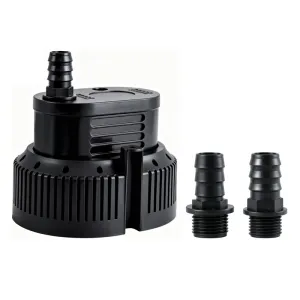
Bombas de agua para enfriadores de aire de pantano
Su clasificación: bomba de aguaVistas: 354Número:Tiempo de liberación: 2026-06-04 18:51:49Diseñadas con materiales de alta calidad, estas bombas de agua enfriadoras de aire para pantanos ofrecen una larga vida útil y bajos requisitos de mantenimiento
MODELO: ML-45
Noticias
Categoría:
¡Sin resultados de búsqueda!
Caso
Categoría:
¡Sin resultados de búsqueda!
Video
Categoría:
¡Sin resultados de búsqueda!
Descargar
Categoría:
¡Sin resultados de búsqueda!
Reclutamiento
Categoría:
¡Sin resultados de búsqueda!
Productos recomendados
¡Sin resultados de búsqueda!



 Teléfono